Metabolic Researcher: “I Quit Sugar and My Cravings Got Worse. It Took Me 20 Years to Understand Why.”
After two decades of studying how the body processes sugar, she discovered a hidden signal on her own tongue that was sabotaging everything — and the simple morning fix that finally shut it off.
If you’ve ever made it through an entire day eating clean — no sugar, no cheating, no slip-ups — and then at 3 in the afternoon felt a craving so loud it drowned out everything else…
I need to tell you something.
That was me. Eight months ago. Standing in my kitchen. Losing a fight I didn’t understand.
What I found out since that day changed everything. And it started on the surface of my tongue.

My name is Abigail Crenshaw.
I hold a Master’s degree in Nutritional Biochemistry. I’ve spent over twenty years in metabolic research — studying how the body processes sugar, stores fat, and regulates hunger at the cellular level.
I’ve published research. I’ve consulted for university programs. I’ve built my entire career on understanding why the body does what it does.
And I couldn’t figure out why I was losing a war with my own kitchen every afternoon at 3 PM.
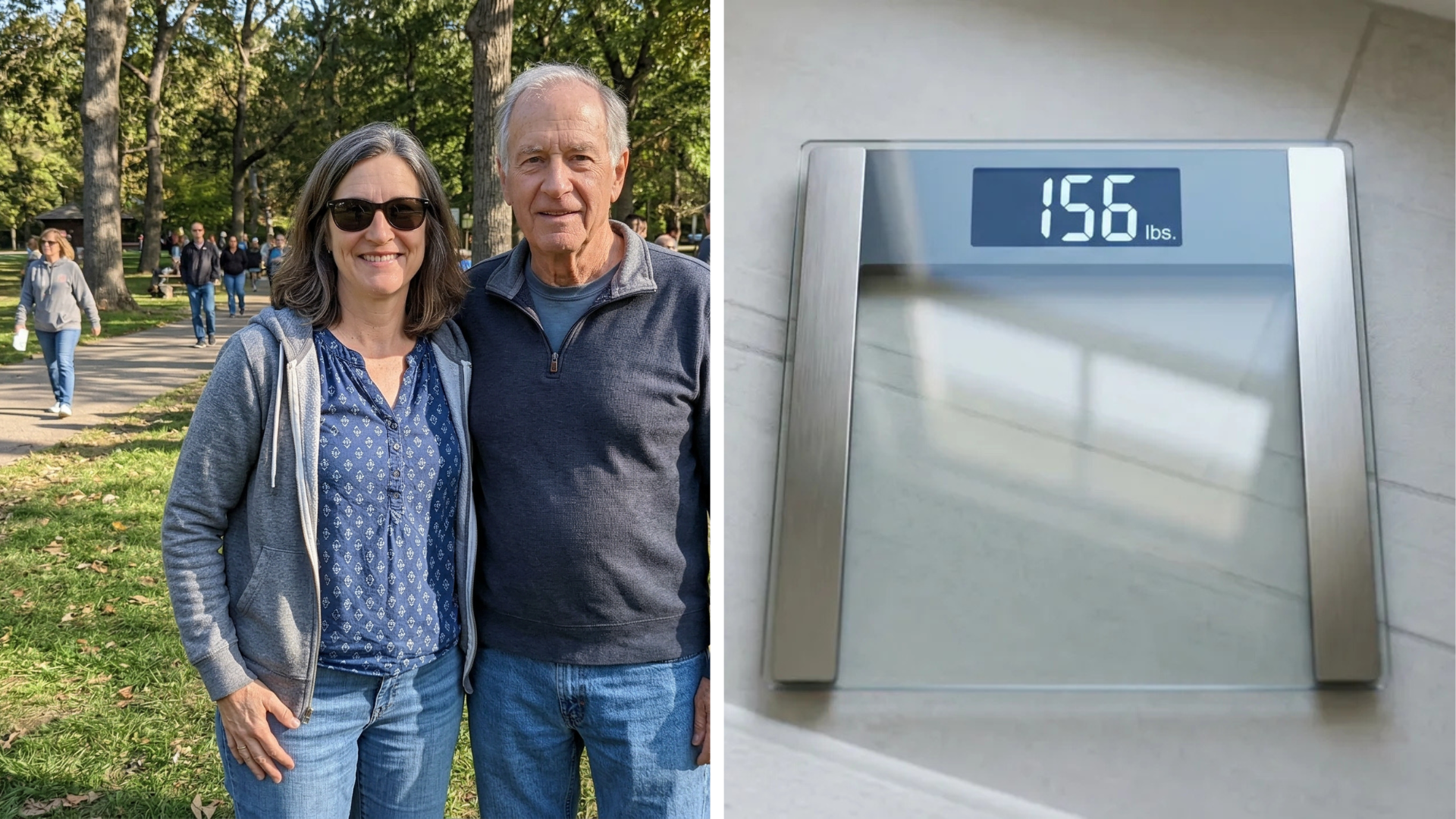
It started in my late 40s.
Perimenopause. I didn’t realize it at first. What I noticed was the weight. Slow at first. A pound. Then two. Then five. All of it landing on my belly. My waist. My midsection.
Within a year I had gained 17 pounds.
My habits hadn’t changed. My diet hadn’t changed. But my body had. And as a woman who spent her career studying metabolism — I can’t describe how disorienting that was.
So I did the obvious thing first. I cut sugar.
Sugar is the fastest source of excess calories. I knew that better than anyone. So I eliminated it. Completely.
I switched to stevia in my morning tea. Splenda in my coffee. Zero-sugar yogurt. Sugar-free protein bars. Diet soda at lunch. I read every label. If it had sugar, it didn’t go in my body.
I cleaned up everything else too. More vegetables. Lean protein. Whole grains. I walked every morning before breakfast.
For the first two weeks — I felt great. Lighter. Clearer. In control. Like the scientist in me had solved the equation.
Then the cravings started.
It began as a pull. Mid-afternoon. Around 3 PM. Just a whisper. Something sweet.
I ignored it. Drank water. Went for a walk.
But every day, the pull got louder.
By the third week, the whisper was a scream. Every afternoon. Same time. Same feeling. An inner voice that wouldn’t stop:
I want sugar. I want sugar. Now.
I tried everything. Gum. Water. Tea. A walk. Distraction. Nothing worked. Nothing even came close.
And here’s the thing — it wasn’t hunger. I wasn’t hungry. I had eaten lunch. This was something else. Something deeper. A demand coming from somewhere I couldn’t identify.
Then came the moments I don’t talk about.
Standing alone in my kitchen at 4:30 PM. Eating a square of dark chocolate. Then another. Then three more. Standing up — not sitting down. Because sitting down would mean admitting I was eating.
Sitting in my car in the grocery store parking lot. Eating a candy bar I bought on impulse. Finishing it before I pulled into the driveway so nobody would know.
Telling myself at 10 PM: “Tomorrow I’ll be stronger. Tomorrow I won’t give in.”
And every single tomorrow — by 3 o’clock — I gave in again.
The shame wasn’t about chocolate. The shame was that I was a metabolic researcher who couldn’t control her own cravings. I had spent twenty years studying exactly this. And I was failing at it in my own kitchen every afternoon.
I carried it in silence. The way millions of women do.
One night, sitting alone at my desk, I stopped blaming myself.
And I asked the one question that changed everything.
This made no biological sense. Removing sugar should reduce cravings. My insulin should have stabilized. My dopamine pathways should have started normalizing.
Instead — the opposite was happening. Every week worse than the last.
Something was actively driving the cravings. Not the absence of sugar. Something present. Something I was still consuming every day.
I opened my food logs. Six weeks of data. And I stopped looking at sugar content.
I started looking at sweetness.
The simplest way I can explain what I found is this.
Think of your tongue like a smoke detector.
When real smoke enters a room, the detector goes off. That’s its job. Detect smoke. Sound the alarm.
But imagine your smoke detector couldn’t tell the difference between real smoke and steam from a hot shower.
Every morning you take a shower. Steam rises. The detector goes off. The alarm screams through the house. Your body panics.
But there’s no fire. There was never any fire. It was just steam.
Now imagine this happens six times a day. Every cup of tea. Every zero-sugar yogurt. Every diet soda. The detector fires. The alarm screams. Your body panics.
And every single time — there’s no fire.
That is exactly what is happening on your tongue.
On the surface of your tongue there are thousands of tiny biological detection points. I call them Sugar Sensors.
Their job is simple. Detect sweetness. Any sweetness. And send a signal to the brain.
Here’s what I discovered that changed everything:
These sensors cannot tell the difference between real sugar and artificial sweetener.
They don’t detect sugar. They detect sweet.
Splenda hits your tongue → the sensors fire.
Stevia hits your tongue → the sensors fire.
That zero-sugar yogurt → the sensors fire.
The diet soda. The sugar-free gum. The protein bar that says “no added sugar” on the label.
The sensors fire every single time. They don’t read labels. They just detect sweet — and they send the alarm.
I sat back in my chair and felt the blood leave my face.
Every morning for six weeks, I had been setting off my own smoke detector. Six times a day. With steam. And wondering why the alarm wouldn’t stop.
| What I Consumed | What My Sensors Detected | What My Brain Did |
|---|---|---|
| Stevia in my morning tea | SWEET — sensors fired | Triggered craving + fat-storage hormones |
| Zero-sugar yogurt at 9 AM | SWEET — sensors fired | Added another unanswered signal |
| Diet soda at lunch | SWEET — sensors fired | Loop intensified — still no sugar received |
| Sugar-free gum after lunch | SWEET — sensors fired | Signal built further |
| Flavored water at my desk | SWEET — sensors fired | Brain waiting for sugar for 8 hours |
| 3 PM arrived | Dozens of false alarms — zero resolution | The craving exploded |
Every zero-sugar product I carefully chose was pulling the alarm. All day. Every day.
Every time the sensors fire, they send a message to the brain. The message is simple:
“Sugar is coming. Get ready.”
The brain believes it. Every time. It doesn’t question the signal. It just responds.
It triggers a craving. It releases fat-storage hormones. It starts a loop — and if the sugar doesn’t arrive, the brain sends the signal again. And again. And again.
I call this the Phantom Sugar Signal.
“Phantom” because the sugar the brain expects never arrives. I didn’t eat sugar. I ate something that tasted sweet. But the signal was identical. So my brain kept waiting. Kept craving. Kept demanding something it was promised but never received.
And the loop never closed.
Before I quit sugar, the cycle had an ending. Sugar hit my tongue. Sensors fired. Brain expected sugar. Sugar arrived. Craving resolved. Done.
After I switched to sweeteners, the cycle lost its ending. Sweetness hit my tongue. Sensors fired. Brain expected sugar. No sugar arrived. The loop ran all day. Signal stacking on signal. Never once resolved.
By 3 PM, my brain had received dozens of phantom signals with zero resolution. Not one was answered. Not one craving was completed.
I call this the Ghost Craving. A craving with no real source. No blood sugar spike. No physical hunger. A ghost — created entirely by a phantom signal on my tongue that my brain couldn’t ignore.
The Ghost Craving is the reason your 3 PM feels unbearable. The reason you did everything right and still lost the fight. The reason you blamed yourself.
Once I understood the Phantom Signal, I looked back at everything I had tried. Everything I had spent. And I felt sick.
Not because those things were scams. But because not a single one addressed the real problem.
Thousands of dollars. Years of effort. Every single solution aimed at the wrong location.
Not one of them targeted the signal on my tongue.
And here’s what made me angriest.
The compound that can coat the Sugar Sensors — it already exists. It comes from a plant used in traditional medicine for over 2,000 years. It physically sits on the sensors and blocks sweetness detection. The science is clear. It works.
And it’s been in capsule form for years. I may have even tried it myself.
But when you swallow a capsule, it goes past the tongue. It drops down your throat. It lands in your stomach. And your stomach is filled with acid. Powerful acid that breaks everything down.
The compound dissolves. Gets destroyed. Never reaches the sensors.
The Sugar Sensors are on the tongue. The capsule delivers to the stomach. The right ingredient arrives at the wrong address. Every single time.
I call this the Acid Dead Zone. The stomach. Where this compound has been sent — and destroyed — in every capsule, tablet, powder, and gummy ever sold.
It’s like buying a fire extinguisher and storing it in your neighbor’s house. The tool exists. It works. But it’s nowhere near where the alarm is going off.
The logic was now unavoidable.
The sensors are on the tongue. The compound must reach the tongue. It cannot pass through stomach acid.
The only delivery method that places the compound directly on the Sugar Sensors — without any stomach involvement — is drops placed under the tongue.
I call this the Direct-Drop Override.
The compound absorbs through the tissue under the tongue. It coats the Sugar Sensors on contact. No swallowing. No stomach acid. No Acid Dead Zone. Direct delivery to the exact place where the Phantom Signal starts.
I placed the drops under my tongue at 7 AM. Before my tea. Before the yogurt. Before anything sweet.
I stirred stevia into my tea. It hit my tongue. The sensors were coated. They detected almost nothing. No signal fired.
I ate my zero-sugar yogurt at 9. Sweetness hit my tongue. Nothing.
Diet soda at lunch. Nothing.
Sugar-free gum. Flavored water. Nothing. Nothing.
3 o’clock arrived.
And for the first time in months — nothing happened.
No pull. No demand. No voice in the back of my brain. No war with my kitchen. No standing in front of the pantry negotiating with myself.
Just quiet.
Not because I was stronger. Not because I had more willpower. Because the signal that created the craving was shut off before my first sip of tea. The Ghost Craving never formed. There was nothing to fight.
I sat at my desk at 5 PM that day and cried. Not from sadness. From relief. And from anger — at the months I spent blaming myself for something that was never my fault.
The smoke detector was finally coated. It stopped confusing steam for smoke. And the alarm went quiet.
Silencing the Phantom Signal was step one. But the signal had been firing for months — and it had caused real damage. Fat stored from false hormone responses. A sluggish metabolism from prolonged disruption. Visceral fat my body refused to release.
I needed more than a sensor blocker. I needed a complete formula that addressed the full cascade — delivered sublingually so every compound bypassed the Acid Dead Zone.
I built it around six specific compounds. Each one chosen for a precise biological job.
Six compounds. Each with a specific job. All delivered under the tongue — directly into the bloodstream. Nothing destroyed in stomach acid. Nothing wasted.
I named the formula TrimX.
Not because it’s catchy. Because it describes exactly what it does. It trims the signal at the source — before the craving ever forms.
TrimX is a sublingual liquid drop. A small, dark amber glass bottle with a graduated dropper. 60 milliliters. 60 servings. One milliliter placed under the tongue each morning — before the coffee, before the tea, before the yogurt, before anything sweet.
Manufactured in a GMP-certified, FDA-registered facility in the United States. 100% natural plant-derived ingredients. No synthetic additives. No artificial stimulants. No fillers. Non-GMO.
This isn’t a capsule that gets destroyed in your stomach. This is a drop that goes exactly where the problem lives — your tongue — and coats the sensors before your day begins.
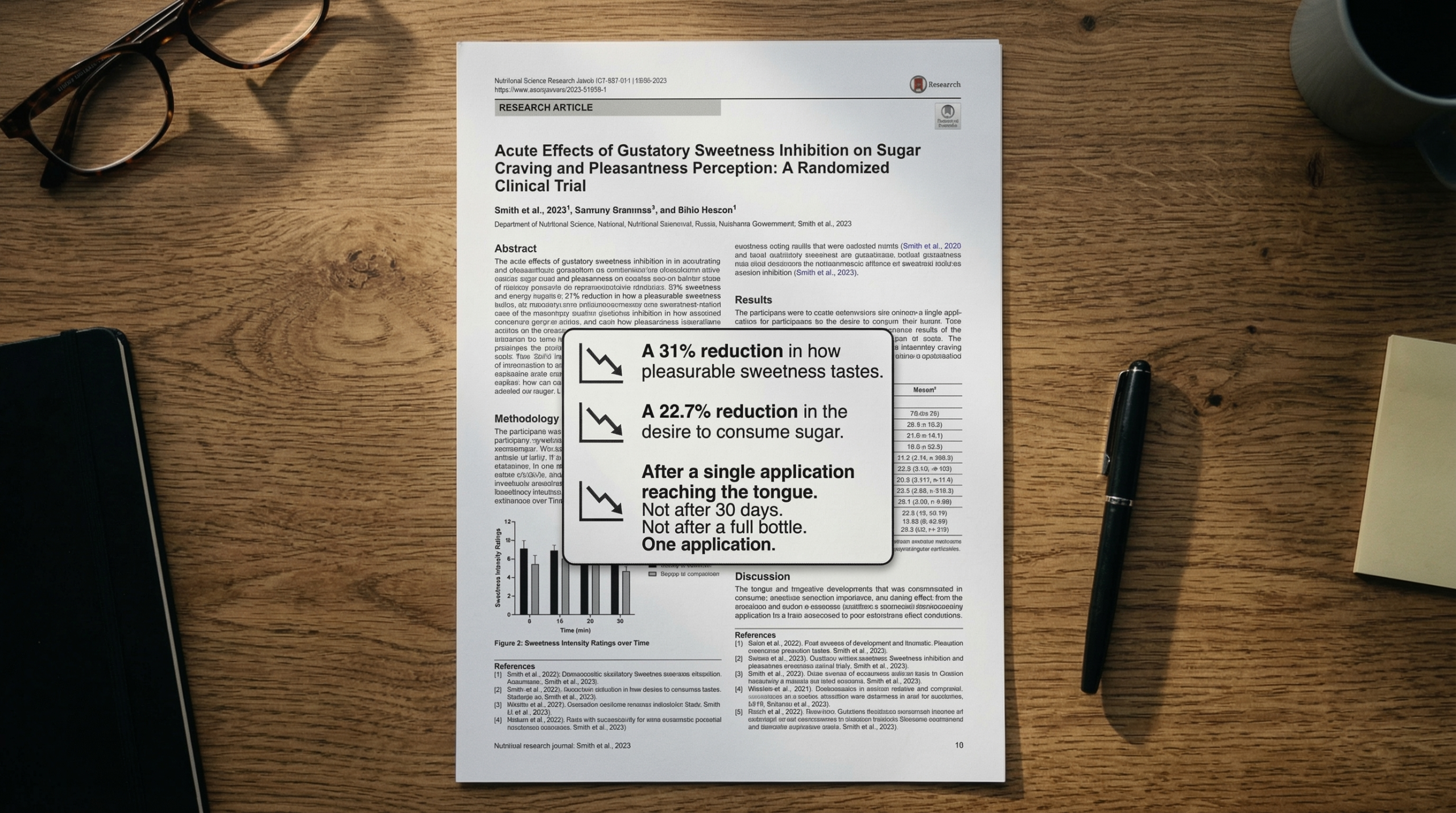
This isn’t theory. It isn’t marketing. It’s published clinical research.
The sensor-coating compound in TrimX has been used in traditional medicine for over 2,000 years. In the last decade, modern researchers put it through rigorous, controlled, peer-reviewed trials.
Here’s what they measured:
A 31% reduction in how pleasurable sweetness tastes.
A 22.7% reduction in the desire to consume sugar.
After a single application reaching the tongue. Not after 30 days. Not after a full bottle. One application.
These results were published in peer-reviewed nutritional science journals — the same research hospitals and universities rely on. Not a supplement company’s website. Not an influencer’s blog. Independent researchers. Controlled conditions. Measured results.
One application. Sensors coated. Sweetness drops by nearly a third. The desire for sugar drops by more than a fifth.
You place the drops under your tongue at 7 AM. The stevia in your tea doesn’t trigger the alarm. The yogurt at 9 doesn’t stack the signal. The diet soda at lunch doesn’t feed the loop.
3 PM arrives. And the Ghost Craving that has owned your afternoons — isn’t there.
That’s not a promise. That’s a measured, documented, published result.
Four different women. Four different routines. The same thing missing — the craving that used to run their afternoons.
The Phantom Sugar Signal didn’t develop in a week. It’s been firing for months. Maybe years. Every morning. Every sweet taste. Every signal stacking on the last.
Resetting this cycle takes time.
Researchers found that consistent daily application produces the strongest results over an extended period. The sensors need to be coated every morning — before the first sweet taste — so the Phantom Signal never fires and the Ghost Craving never forms.
That’s why TrimX comes in a 180-day supply. Six bottles. A full cycle.
The Sugar Sensors get coated daily. The Phantom Signal weakens. The Ghost Craving loses its grip. The 3 o’clock war starts going quiet.
Your brain stops expecting sugar that never arrives. The craving loop that stacked all day begins to collapse. Afternoons get easier. Evenings get calmer. The mental noise around food starts to fade.
The cycle that took months or years to build is fully interrupted. Your mornings are clean. Your afternoons are quiet. Your relationship with sweet food is no longer a war. It’s neutral. It’s calm. It’s yours again.
Now think about what this costs.
The 180-day supply — six bottles — works out to less than $1.63 per day.
You’ve already spent more trying to fix this than TrimX costs. The difference is — those solutions targeted the wrong location. This one targets the tongue.
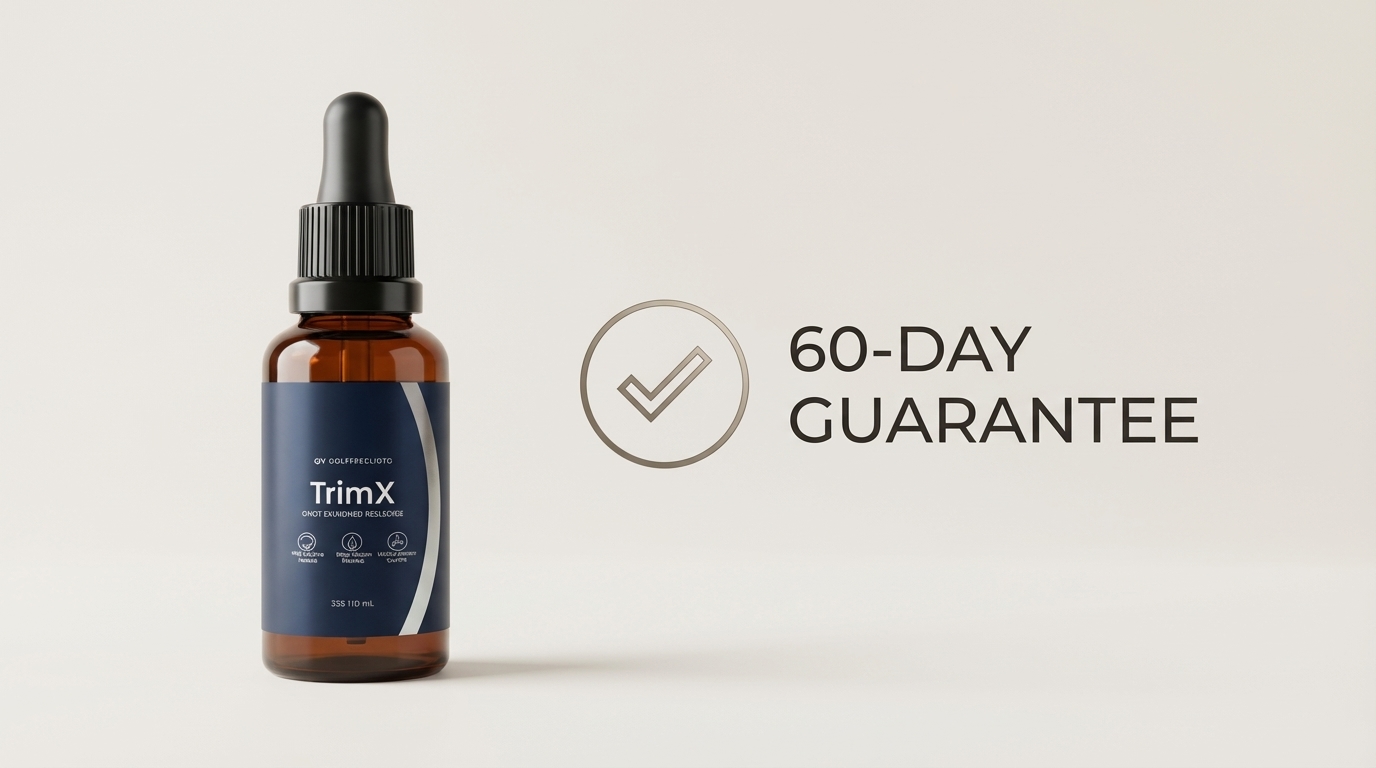
And it’s backed by a full 60-day money-back guarantee. Test the morning protocol. Place the drops under your tongue before the coffee. Before the yogurt. Before anything sweet. See what happens at 3 o’clock. If the Ghost Craving doesn’t go quiet — every dollar back. No questions.
I didn’t create TrimX to sell a product. I created it because I needed an answer — and when I found it, I realized millions of women were trapped in the same cycle I was in.
The same discipline. The same artificial sweeteners. The same unexplained cravings. The same 3 PM war. The same chocolate eaten in silence. The same shame that follows.
No woman should blame herself for a signal she didn’t know existed.
Your smoke detector has been going off all day, every day, for months. Triggered by steam. Demanding a fire that was never there.
It’s time to coat the sensor. And let the alarm go quiet.
You eliminated sugar from your diet a long time ago. Now it’s time to eliminate the signal.
— Abigail
These statements have not been evaluated by the Food and Drug Administration. This product is not intended to diagnose, treat, cure, or prevent any disease. Results may vary. Individual results depend on adherence to the suggested protocol and individual biological factors.
The content on this page is based upon the opinions of the author and is intended for informational purposes only. It is not intended to be a substitute for professional medical advice, diagnosis, or treatment. Always seek the advice of your physician or other qualified health provider with any questions you may have regarding a medical condition.
Some names and personal identifying information have been changed to protect the privacy of individuals.
© 2026 · All Rights Reserved